
How to Identify and Buy Pure Kansa Utensils (Without Getting Fooled)

If you've started exploring traditional Indian kitchenware, you've probably come across kansa, also known as bell metal or bronze cookware. It's been used in Indian households and Ayurvedic kitchens for centuries, prized for its health benefits and its almost golden, lustrous appearance. But here's the catch: as demand for pure kansa utensils has grown, so has the number of sellers passing off look-alike alloys as the real thing.
If you're planning to invest in kansa cookware, knowing how to separate the genuine article from a cheap imitation can save you money, and protect your health, since the entire point of using kansa is its purity. Here's a practical guide to help you shop smart.
What exactly is Kansa?
Kansa is a bronze alloy traditionally made from a mix of copper and tin, usually in a ratio of roughly 78% copper to 22% tin. This specific ratio is what's often called "bell metal," because the same alloy composition is used to cast temple bells, it has a particular resonance and density that's hard to replicate with other metal combinations.
In Ayurveda, kansa is considered a "sattvic" metal, believed to balance the three doshas (Vata, Pitta, and Kapha) and to have a detoxifying effect on food. Many people switch to kansa thalis, bowls, and glasses specifically because of these claimed benefits, along with the simple pleasure of eating off beautifully crafted, naturally antimicrobial metal.
The problem is that "bronze cookware" is a broad category. Bronze can technically include many copper-tin-zinc combinations, and not all of them are food-safe or carry the same properties as traditional kansa. Some manufacturers cut costs by adding excessive zinc, lead, or other cheaper metals into the mix, which changes both the performance and the safety profile of the utensil.
Why Purity Actually Matters Here
This isn't just about getting your money's worth. Impure kansa, particularly alloys with high lead content, can pose genuine health risks, especially when used for cooking or for serving acidic foods, which can leach metals from the surface. Traditional kansa, made correctly, doesn't react with food in harmful ways. A poorly made alloy marketed under the same name might.
So when you're buying kansa, you're not just buying a product category, you're buying a specific metallurgical composition. That's exactly why it pays to know what to look for.
The Tell-Tale Signs of Pure Kansa Utensils
1. The Sound Test
This is the oldest trick in the book, and for good reason. Pure kansa has a distinctive resonance when struck gently, a clear, ringing tone that lingers for a moment, similar to (though softer than) the sound of a temple bell. Cheaper alloys tend to produce a duller, flatter sound that fades almost instantly.
If you're buying in person, gently tap the utensil with your knuckle or another metal object and listen. If you're buying online, look for sellers who provide audio or video demonstrations of this sound test, reputable kansa brands often showcase this precisely because it's such a reliable indicator.
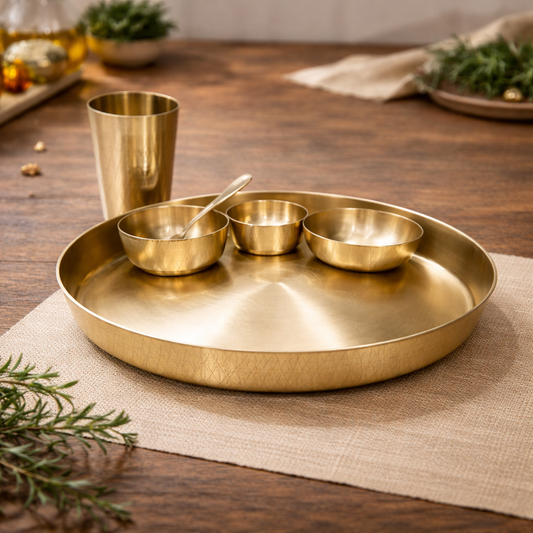
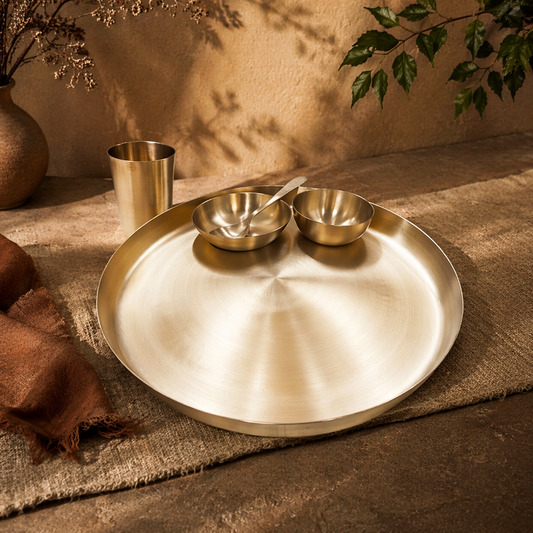
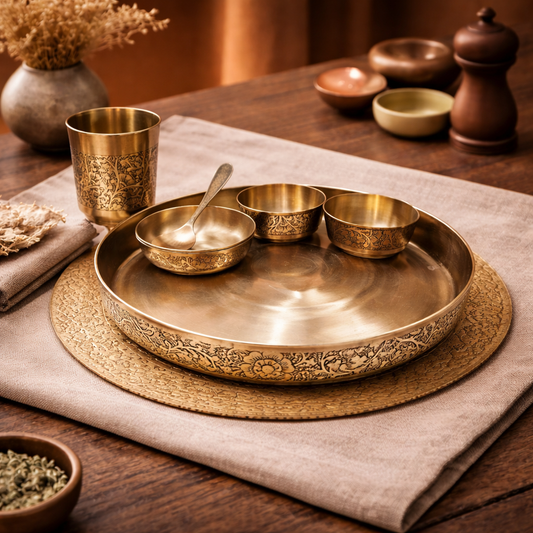
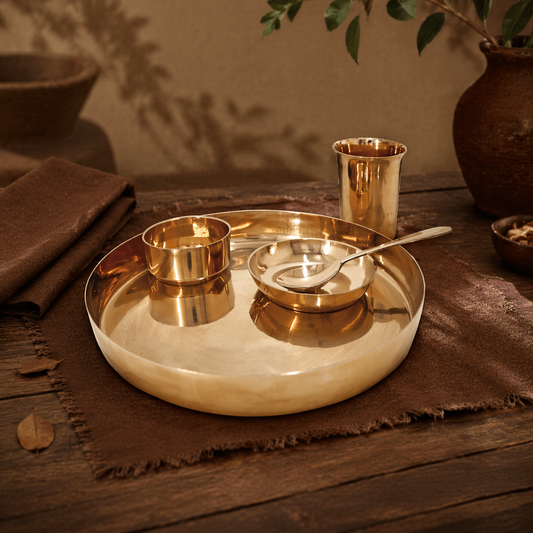
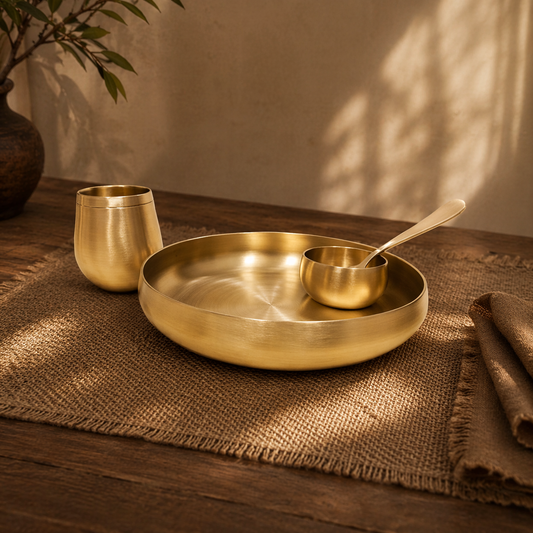
2. Colour and Finish
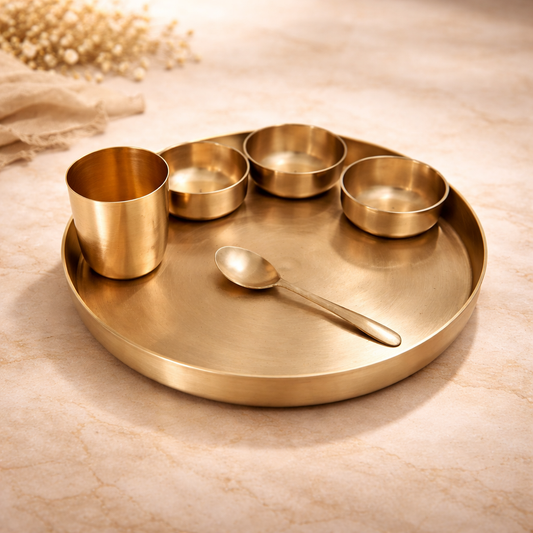
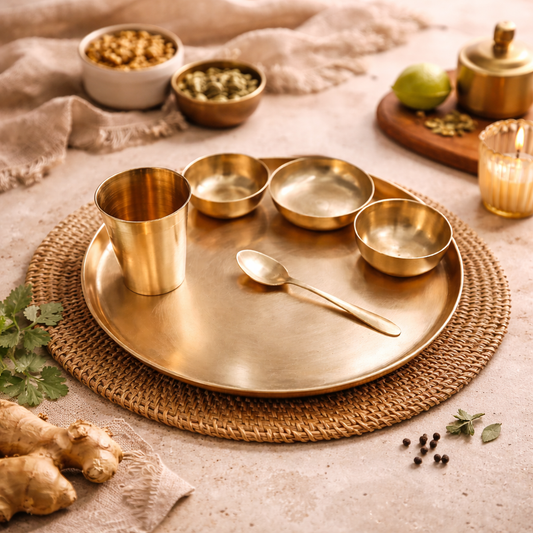
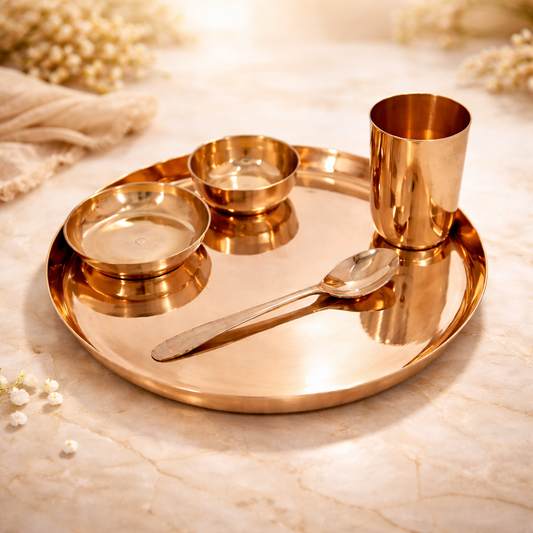
Kansa naturally varies in color and finish during the manufacturing process.
Some pieces may appear shinier, while others can have a more matte or antique look depending on the design, craftsmanship, and finishing technique.
Pure kansa also develops a natural patina over time with regular use — and that’s actually a good sign. It means the metal is reacting naturally and authentically, just as pure kansa should.
3. Weight and Density
The weight and density of kansa products can vary depending on the size, shape, thickness, and design of each piece.
For example, a bronze glass and a bronze bowl will naturally feel different in weight because they are crafted for different purposes and dimensions.
Pure kansa generally has a solid, substantial feel, but slight variations in weight across products are completely normal and depend on the craftsmanship and product type.
4. The Magnet Test
This one is simple and quick. Bronze is non-magnetic. If a magnet sticks to your kansa utensil, it likely contains iron or steel as filler, which means it isn't pure bell metal. Keep a small magnet handy when shopping, especially at local markets where labeling might be inconsistent.
5. Natural Surface Texture
Pure kansa is naturally heavy due to its authentic metal composition. While some manufacturers mix other metals to artificially increase weight, genuine kansa, like Kansyam’s, carries its richness and density naturally.
You may also notice slight variations in surface texture across pieces. This is completely normal in authentic kansa. Each piece is individually polished, inspected, and hand-verified by skilled artisans, making every utensil unique while maintaining the highest standards of purity and craftsmanship.
Where and How to Buy Kansa Cookware Safely
Buy From Specialists, Not General Marketplaces Alone
While big e-commerce platforms do carry kansa products, the category is flooded with mislabeled bronze cookware. You'll get better consistency from sellers who specialize specifically in traditional metal cookware, brands that source from established bell-metal artisan clusters (regions in West Bengal, Kerala, and parts of Odisha and Andhra Pradesh have long-standing kansa and bronze craft traditions).
Look for Composition Details
A trustworthy seller will be upfront about the copper-to-tin ratio used in their kansa products. If a listing simply says "bronze cookware" or "kansa" without any mention of composition, that's worth asking about directly before you buy. Don't hesitate to message the seller and ask: "What is the copper-tin ratio in this product?" Genuine artisanal sellers usually know this off the top of their head.
Read Between the Lines on Pricing
Pure kansa is labor-intensive to produce and uses a relatively expensive base metal (copper). If you see a kansa thali set priced dramatically lower than comparable items from other sellers, treat that as a signal to dig deeper, either the alloy composition is different, the item is thinly plated, or it's mislabeled altogether. This doesn't mean expensive is always genuine, but suspiciously cheap is almost always a warning sign.
Ask About Tin Lining (Kalai)
Some kansa items, particularly larger cooking vessels, are traditionally given a tin lining (a process called "kalai") for cooking purposes, since cooking directly in bronze for long durations isn't always recommended. If you're buying kansa for actual cooking rather than just serving, ask whether the piece is tin-lined and how it should be maintained.
Caring for Your Kansa Utensils
Once you've found the real deal, a little care goes a long way:
-
100% Pure Kansa: Crafted from high-purity bronze for authentic wellness benefits.
-
Anti-Tarnish Finish: Designed to retain its beauty and shine for longer.
-
Dishwasher Safe: Easy to clean, just like your everyday cookware.
-
Hand-Wash Friendly: Wash effortlessly with mild soap and water.
-
Acidic Food Safe: Enjoy curries, tomatoes, lemon-based dishes, and more without worry.
-
Built for Daily Use: Durable enough for everyday dining and serving.
-
No Special Maintenance: Minimal care, maximum elegance.
-
Food-Safe & Non-Reactive: Made to safely complement modern lifestyles.
-
Premium Craftsmanship: Traditional wisdom, reimagined for contemporary homes.
-
Long-Lasting Beauty: Engineered to resist stains and maintain its finish.
Conclusion
Buying pure kansa utensils comes down to a mix of sensory checks and smart shopping habits. The sound test, weight, color, and magnet check will tell you a lot within minutes, and combining that with sellers who are transparent about alloy composition and sourcing will dramatically lower your chances of ending up with a mislabeled piece of bronze cookware.
Kansa is meant to be a long-term investment in your kitchen, pieces that, with proper care, can last for generations and even develop more character with age. Taking a little extra time before you buy ensures you actually get that experience, rather than a shiny disappointment that doesn't ring true, literally.